
Having walked Billy nice and early, I picked up our work van, loaded up the optical equipment and headed off on a whistlestop bird tour of the East of Málaga province with one of my oldest and bestest friends Joe, who had popped over for some respite from the UK weather. Luckily the Sun was out, there was a light breeze off the sea bringing poor visibility and cloud over the mountains.
Our first stop was the estuary of the Rio Velez, on the outskirts of Torre del Mar, around 30kms due East from us down the coast. Although the river was dry, there was a decent sized pool by the road with Mallard, Little Egret, Dunlin, Little ringed & Ringed Plovers and a lone Greenshank present. House Martins were joined overhead by Barn and Red-rumped Swallows as well as Common Swifts. The reeds and trees either side of the river where alive with bird song, chiefly that of the Nightingale. Serins, Greenfinches & Goldfinches sang from the tops of the trees while Cetti’s Warbler, Reed & Sardinian Warblers, Blackcaps and Blackbirds occupied the lower branches. One Nightingale came out from the bushes momentarily…
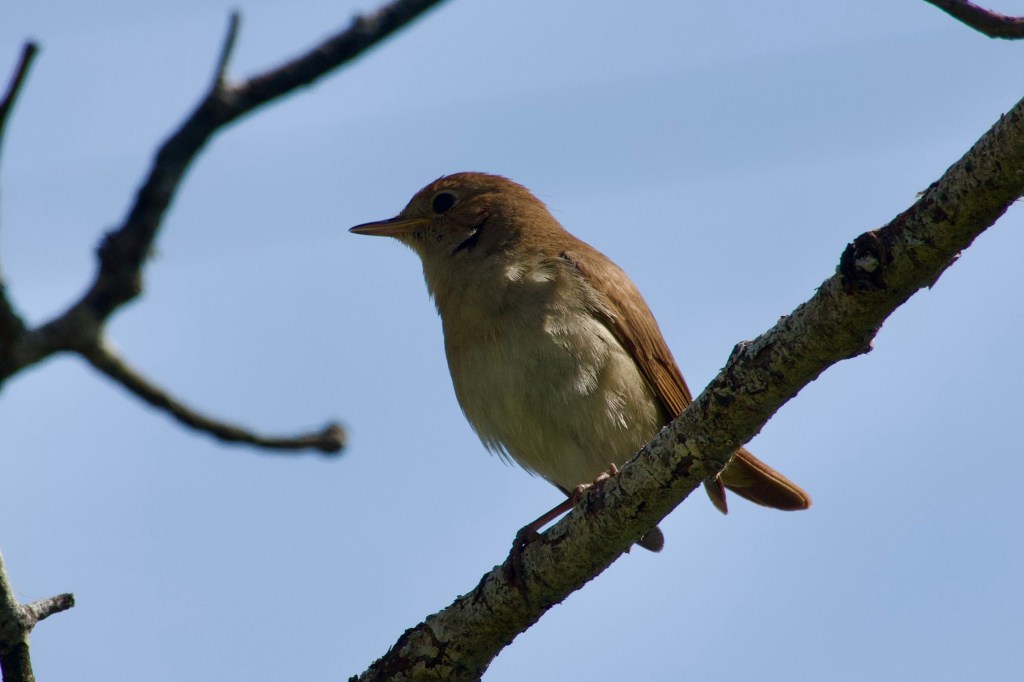
… and gave us a virtuoso command performance, with the whole repertoire from a mere couple of metres away. I wonder if these exquisite singers ever practice when they are in their African wintering grounds? They certainly seem to take a while to get into full flourish when they arrive, but once the duties of protecting a breeding site are carried out, the birds communicate only with scratchy calls from deep in the undergrowth.
Before we headed off to our next destination (ice cream on the beach), we caught up with three sleepy Spoonbills down by the beach and a flock of Beeaters overhead. A fan-tailed Warbler perched on a giant reed then took off singing its zitting song as it swooped around us. Crested Larks and a White Wagtail saw us off from their respective fence posts.
Next stop was the mountain pass of Boquete de Zafarraya, marking the border with Granada province. From Torre del Mar the road goes straight North through the fertile plains and then gradually climbs up towards the crags which mark the top of the pass. It was a relief to see the reservoir at Viñuela at a reasonable water level. People around here have long been subject to restrictions on water use and many of the ubiquitous avocado plantations have been affected by the drought.
The first birds on show where the resident Red-billed Choughs and it was evident that the birds were paring up rather than forming the larger flocks. The Sun was firmly behind low cloud and the warmth of the coast seemed a world away as we reached for our hoodies. We hung around long enough to marvel at the hunting techniques of the Crag Martins, using the Southerly wind to hang in the air over the meadows ready for any winged insects caught unawares. We did have distant views of Black Wheatear and Blue Rock Thrush and a male Linnet sat up on a cable briefly, before we dashed back to the van, having been thwarted by cloud in our hoped for search for raptors.
Now heading back West we made our way through the high plains of Zafarraya towards the source of the river Guadalhorce. The cloud behind us now, a very different habitat opens up at 800 metres, with peaks all around us up to 1400 metres. Here mixed herds of goat and sheep roam the slopes nibbling on the aromatic herbs, which give the local cheeses their distinctive flavour. Iberian Magpies fly across the road from one Olive orchard to the next. Corn Buntings puff their chests out from the tops of bushes or gate posts. Woodchat Shrikes wait poised to flop down on any insects beneath their perches.
With an aeroplane to catch, we left Villanueva del Rosario and headed back to town after a great day’s birding, but the proximity of the river estuary to the airport gave me a good excuse to visit the Natural park after I dropped Joe.
It has been an age since my last time at «The Guada» and there has been a lot of work clearing excess vegetation, dredging of gravel pits and restricting access with the erecting of fences. The rains at the end of March have filled the gravel pits meaning there was not a lot of exposed mud for the waders but that said, there were still plenty on show.
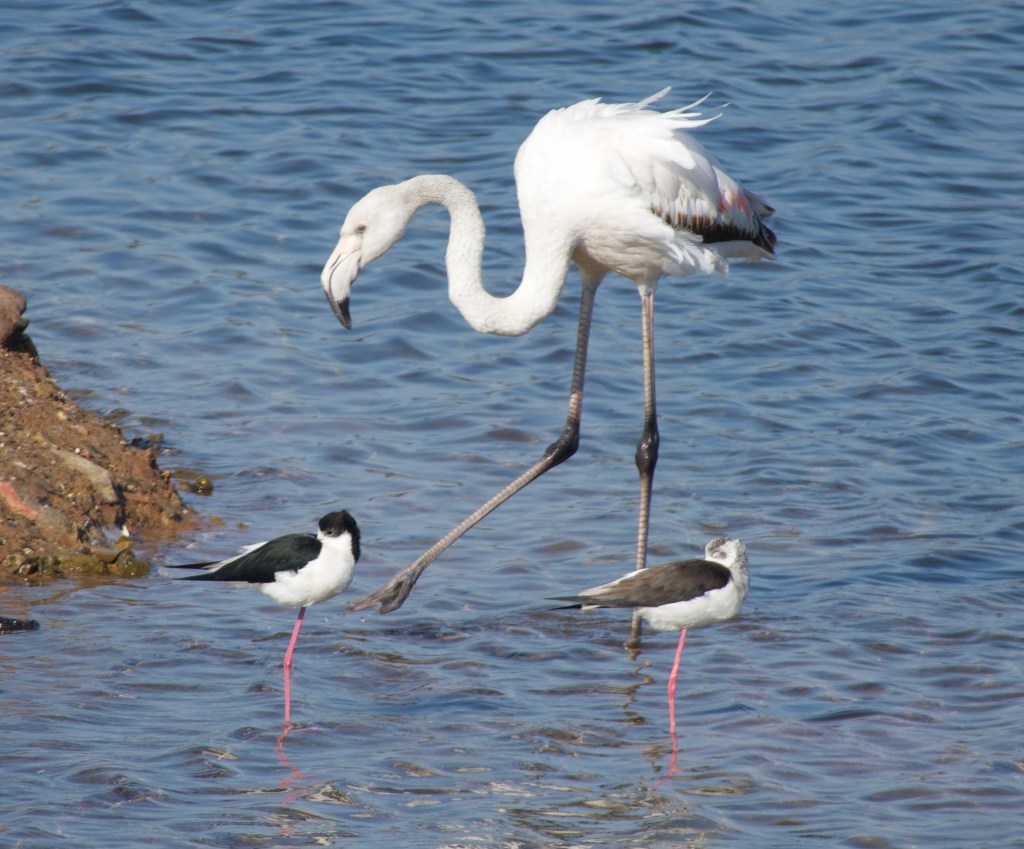
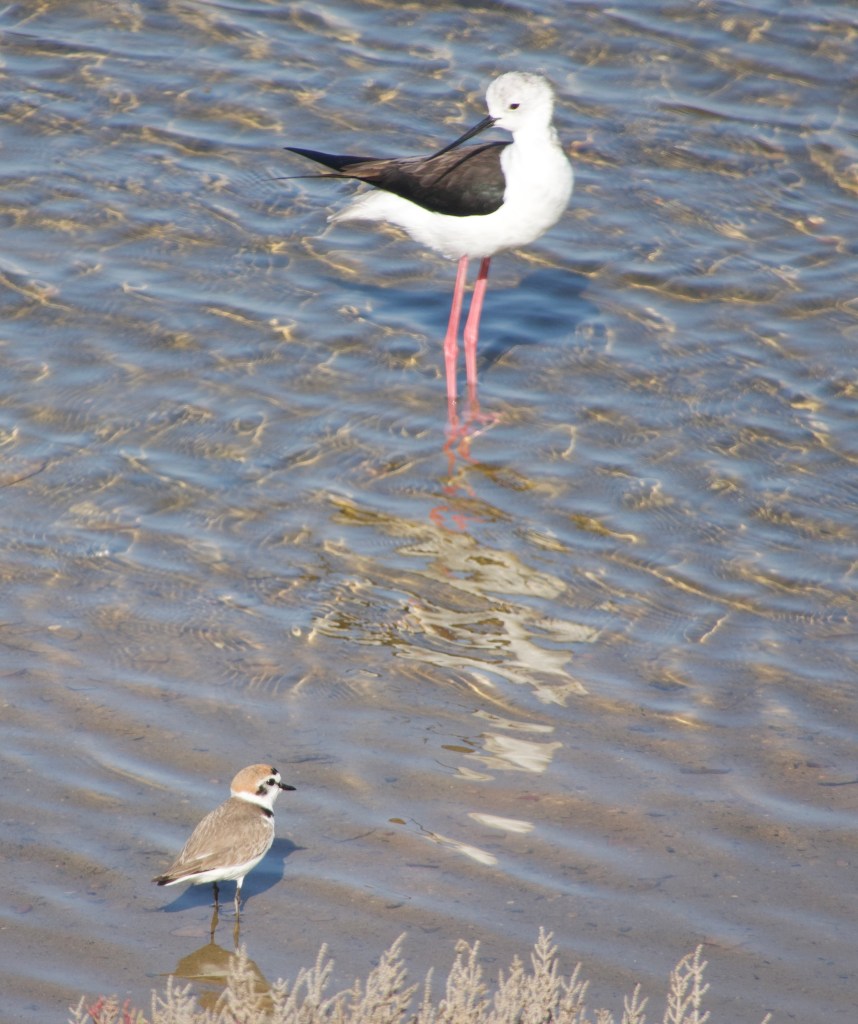
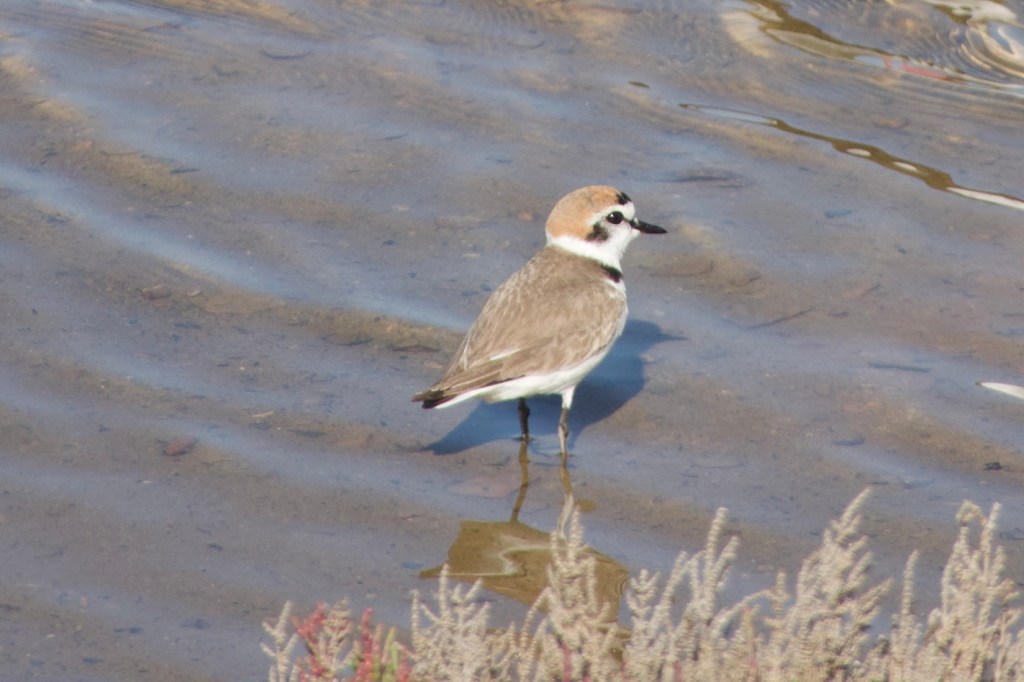
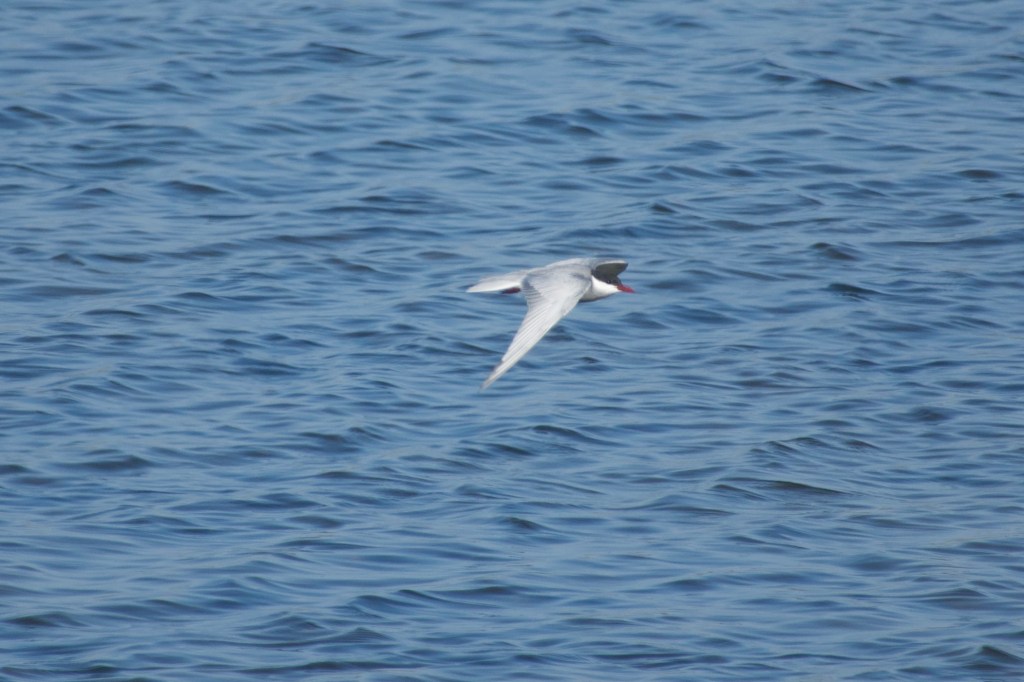
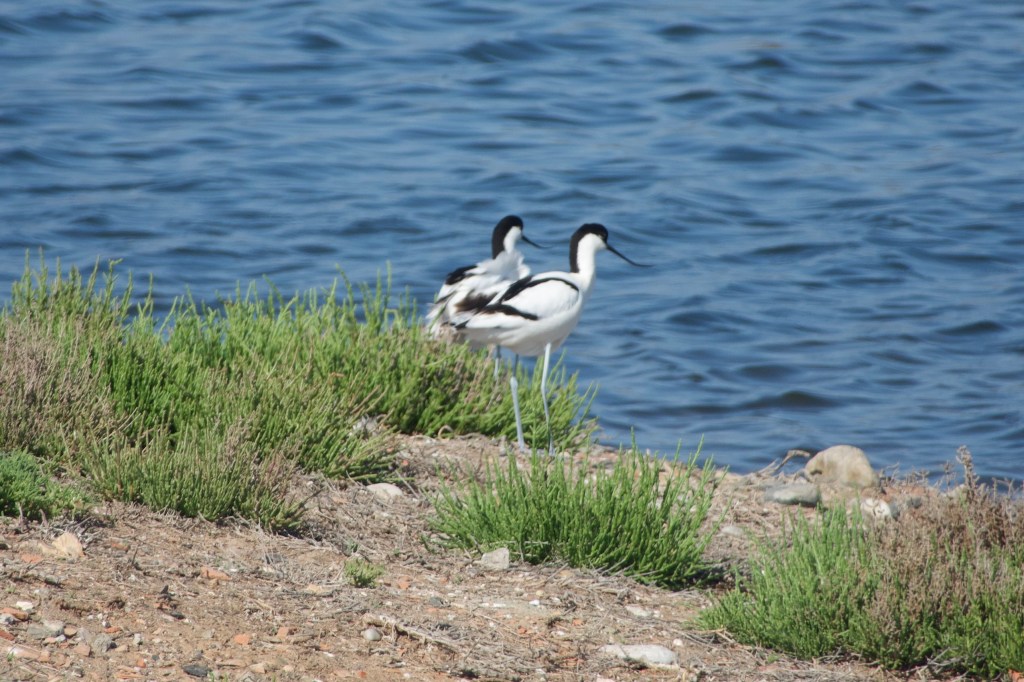
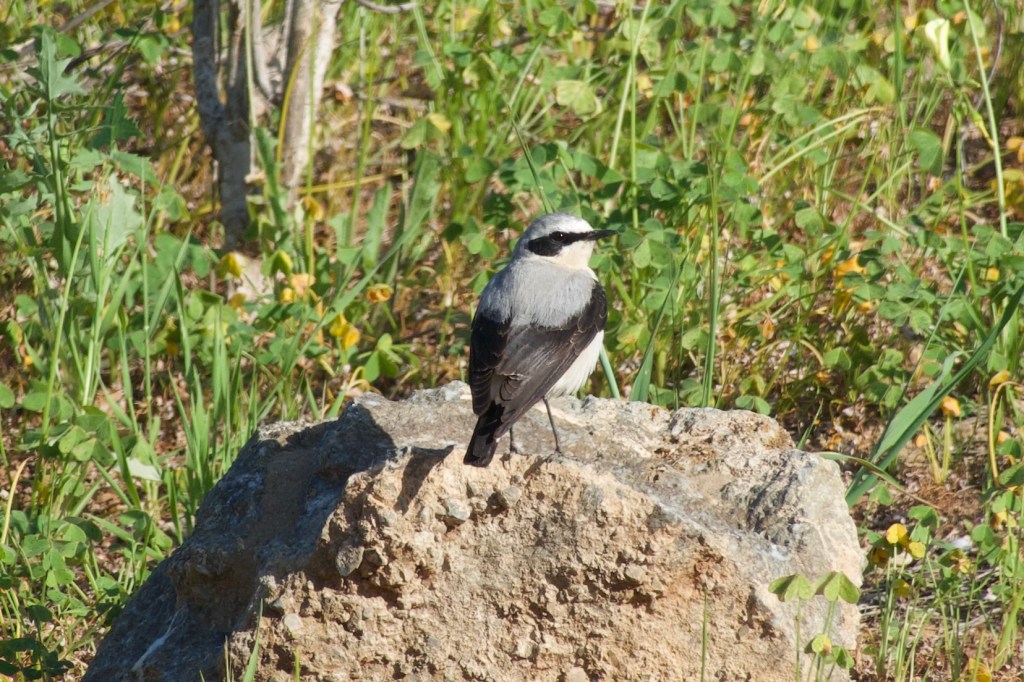
After a very pleasant half an hour at the hide I meandered back to the van with the song of the Nightingale still ringing in my ears. A visiting Wheatear kindly perched up on a stone to wrap things up for the day.


Una respuesta a “Arxarquía outing”
I’ve enjoyed this several times, Greg. Thank you. Your writing is so
good. And of course your photos. Only your title defeats me! Loving Mum
Me gustaMe gusta