
I had briefly stopped here on my way back from a coastal spin on Wednesday, and made a note to come back with the camera. The birds I was most interested in photographing were a pair of Red-rumped swallows which were flying under the iron bridge and scraping up mud from the river bed with their beaks. Today there was no sign of the Red-rumped, but a pair of Barn swallows were doing the same thing, albeit too fast for my clumsy fingers!
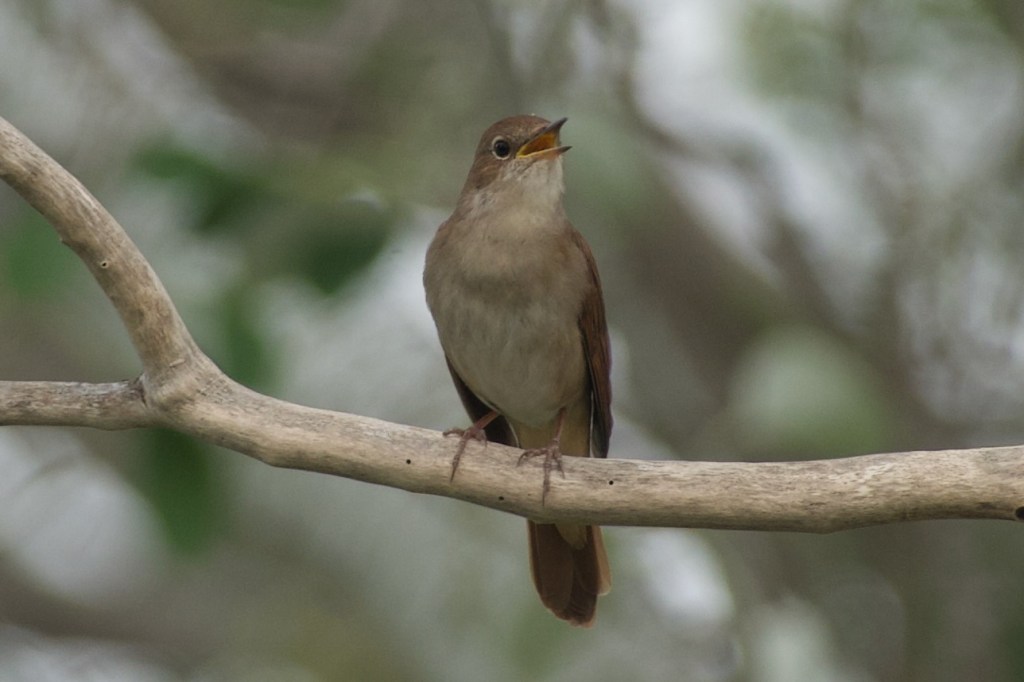
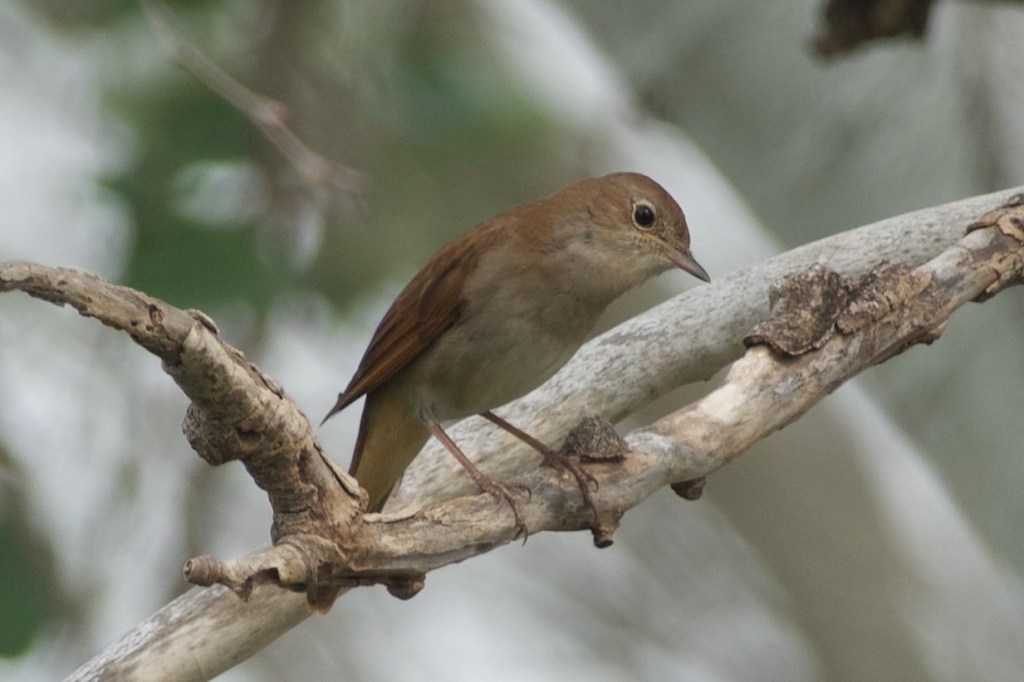
The river delta was full of debris, and the big waves easily broke over the sand bar and had filled the lower basin with sea water. A quick ride down to the beach provided some more firsts for the year, winter plumage Mediterranean Gulls and Reed warblers calling from the Elephant grass which lines the track. Plenty of Comorants, mainly sat up in the huge Eucalyptus trees which line the river bank. I settled in to the observation hide and watched on as five Blackbirds engaged in mortal combat. Nightingales were singing everywhere. This is my regular spot if I am in need of a Nightingale overload, but these birds were either hidden in the tall grasses or over on the far bank.
I did manage to catch this fluffed-up Serin.
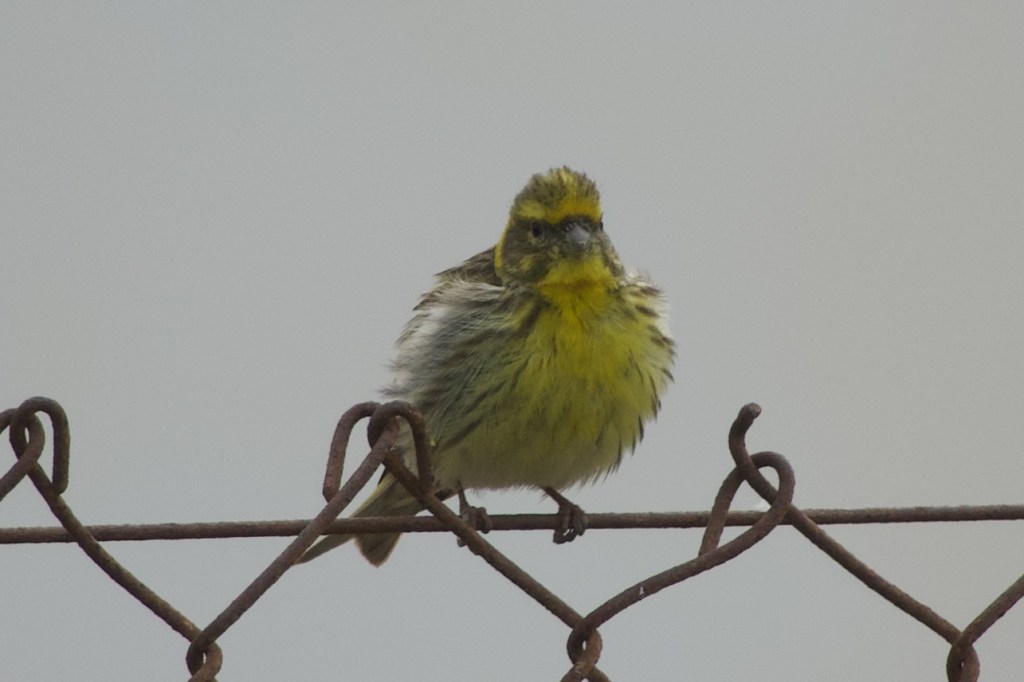
The smallest of the European finches, well adapted to farmland and parks and gardens. I am not sure how the statistics are but this is by far the most numerous and widespread of the finches in Málaga in my experience. When singing from a vantage point they tend to fidget and dance from side to side while wheezing out their song which reminds me of a rusty bike chain. Greenfinches and Goldfinches were also present but higher up in the tree canopies, beyond the scope of the camera. A Common waxbill perched but was gone in a flash. Crested larks pecked along the muddy lane. A Fan-tailed warbler fleetingly sat up on the wire fence and was gone.
I took the bike back up the track and under the road bridge. Here the river is now not much more than a fine trickle, but the stacked up vegetation on either side is a reminder of the volume of water that had come through here only a week or so ago.
A Hoopoe flew out from close by and alighted on the far side. This one, on the other hand, stayed put.
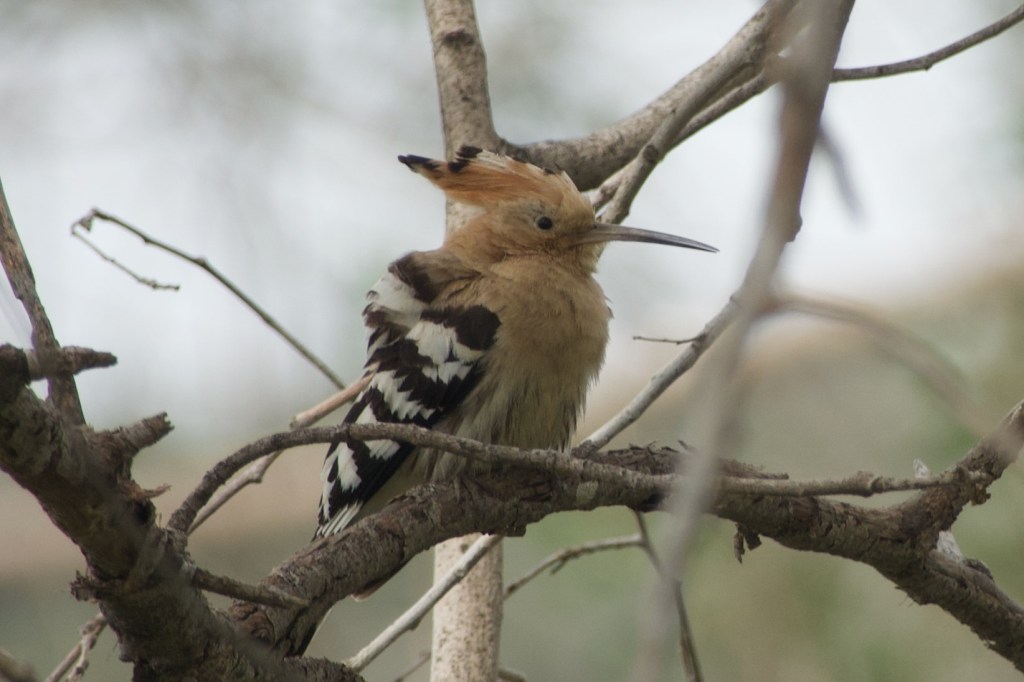
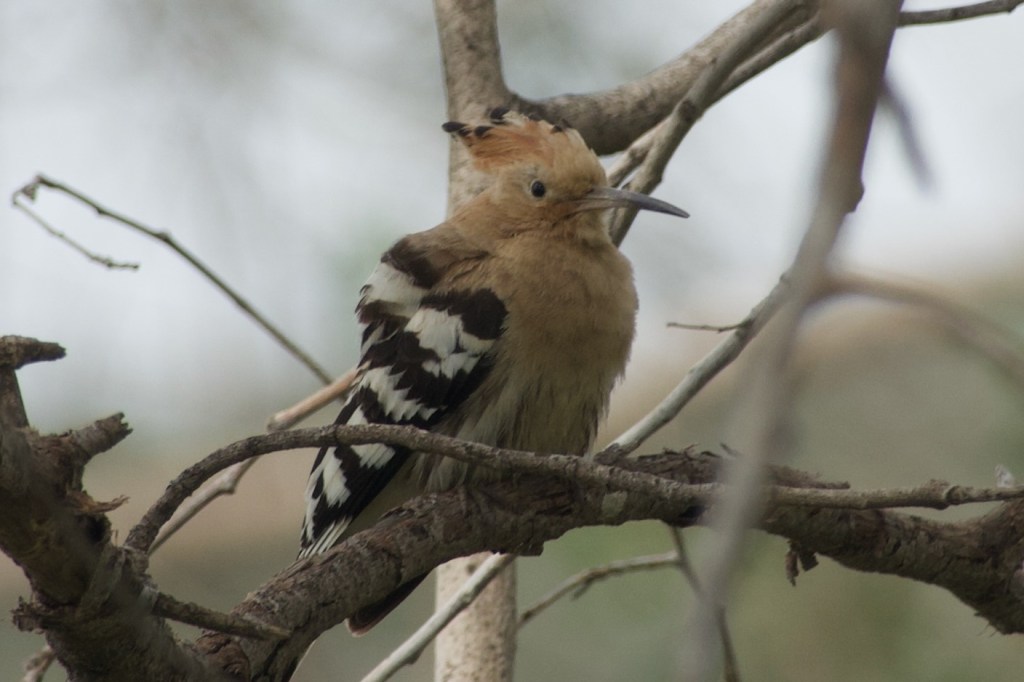
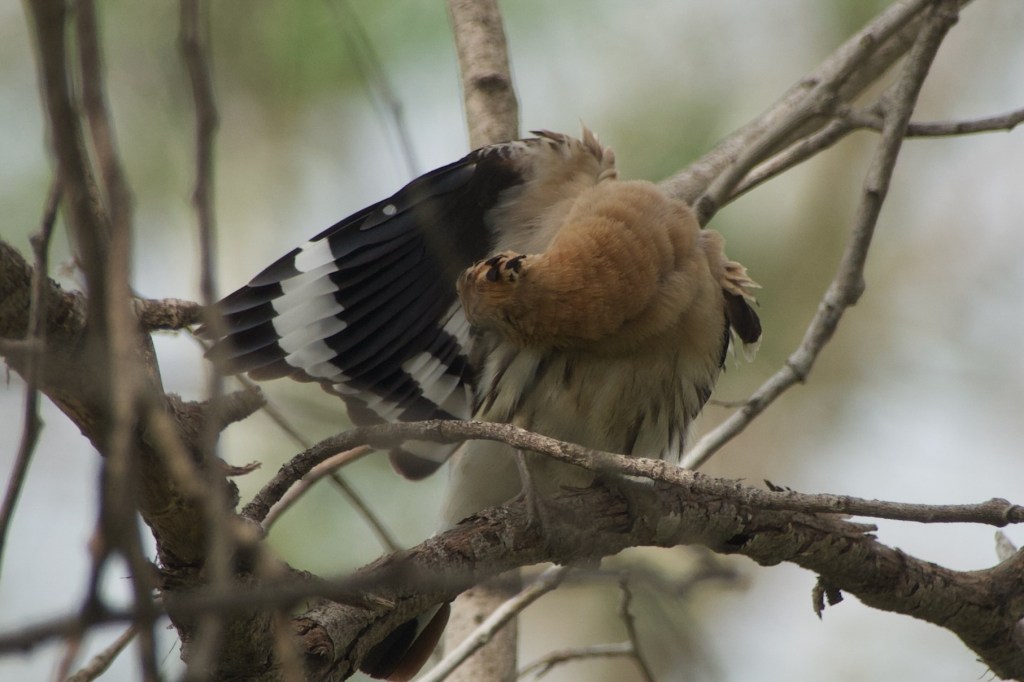
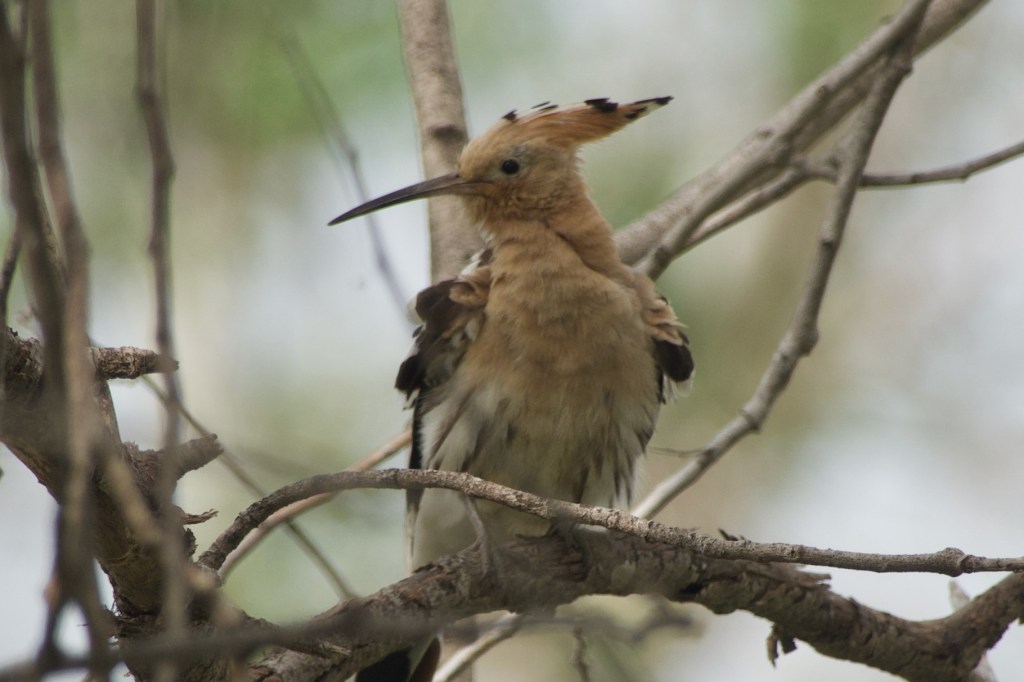
That beak is a thing of wonder. It takes the poor thing some dexterity to preen all of it’s feathers. Hoopoes tend to feed on the ground and that beak is used for probing into ant’s nests. I have also seen them dealing with a particularly unpleasant caterpillar that plagues the pine woods across the country. These «procesionarias» have toxic hair which puts off most predators but with their long beaks, Hoopoes are able to scrape the caterpillars free of hairs before they eat them.
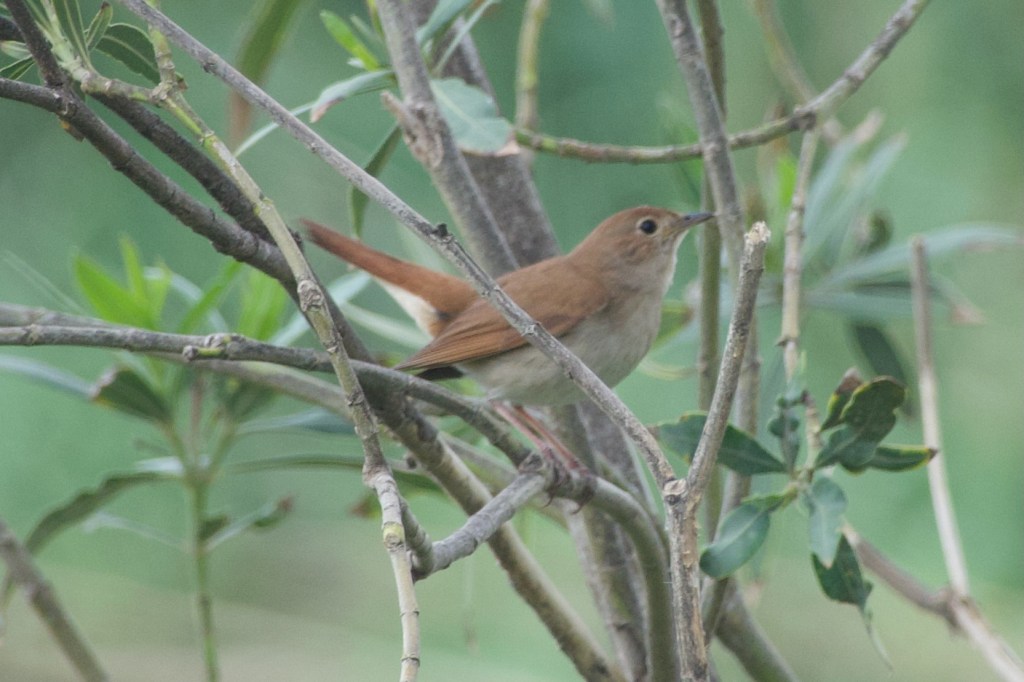
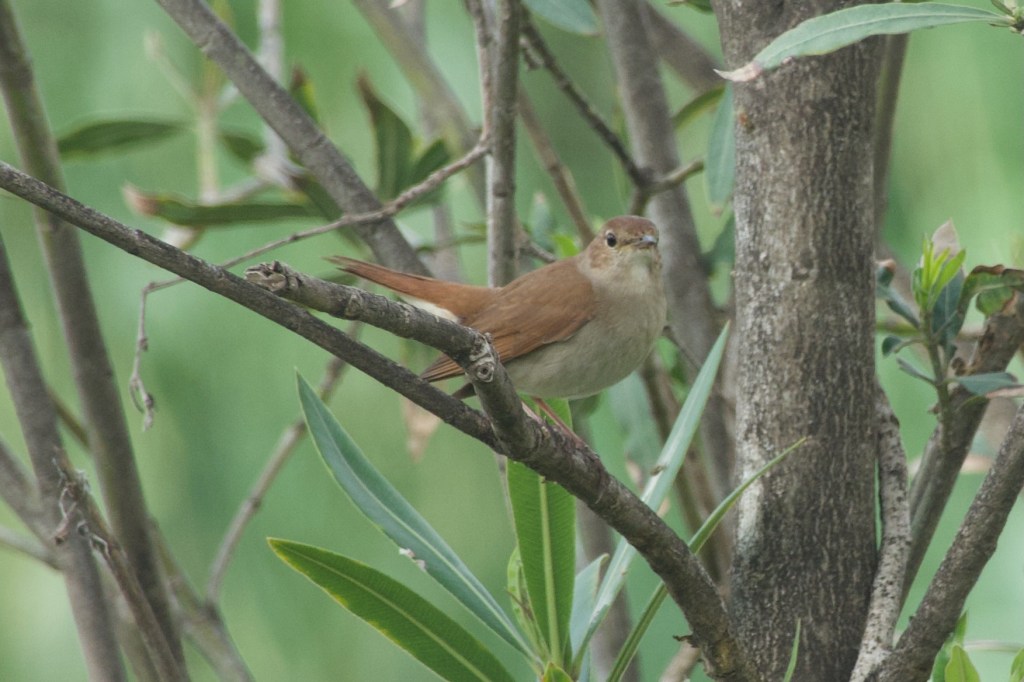
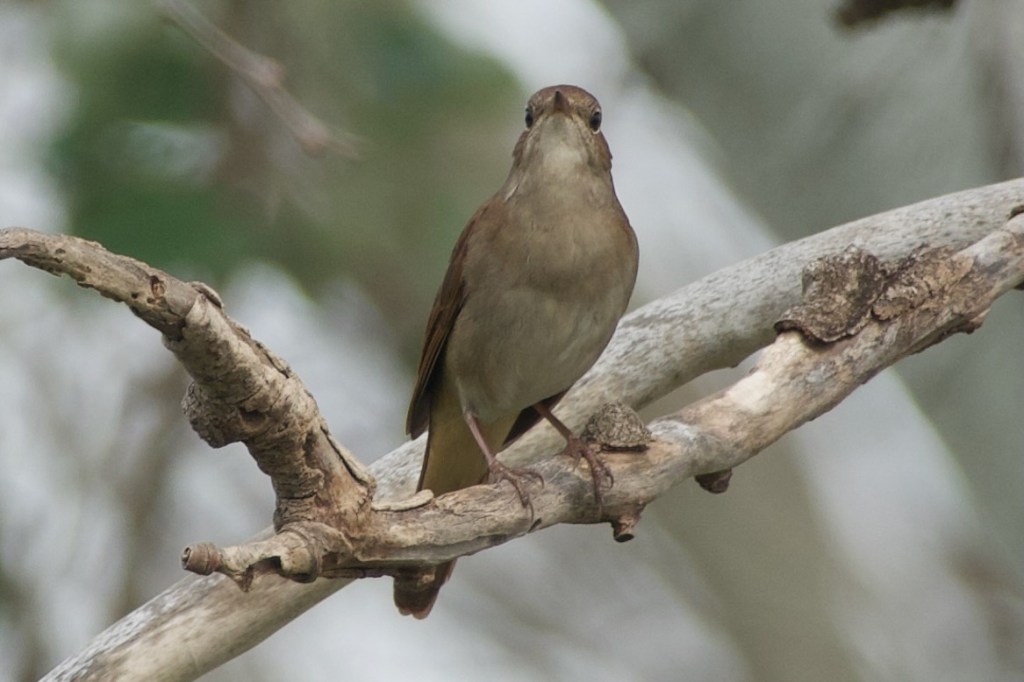
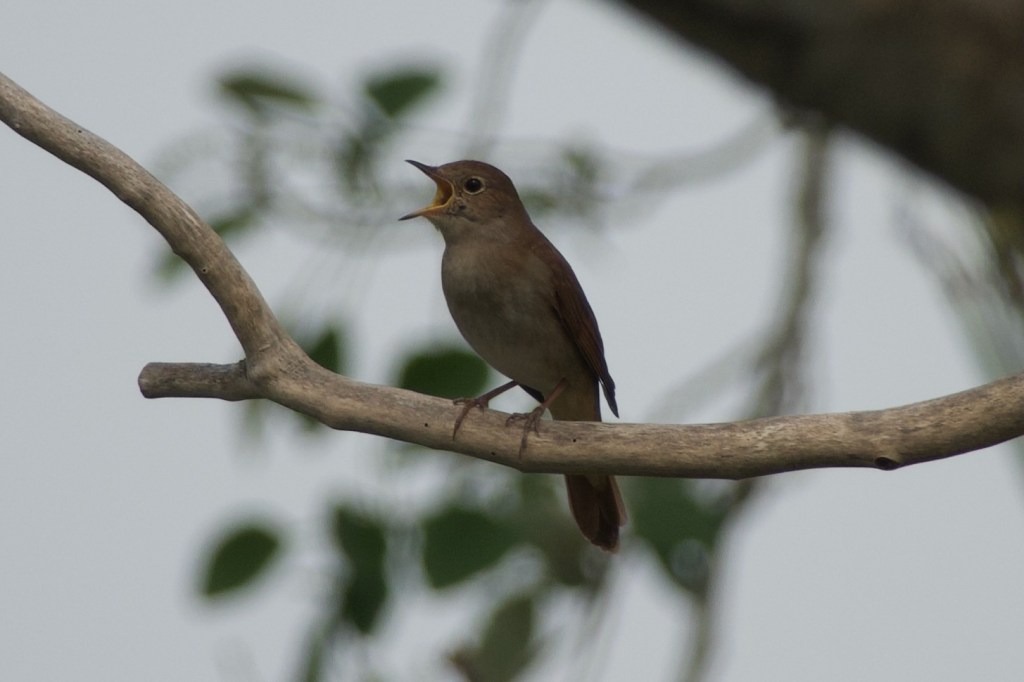
A Nightingale popped up in the bush next to the Hoopoe, which was nice!
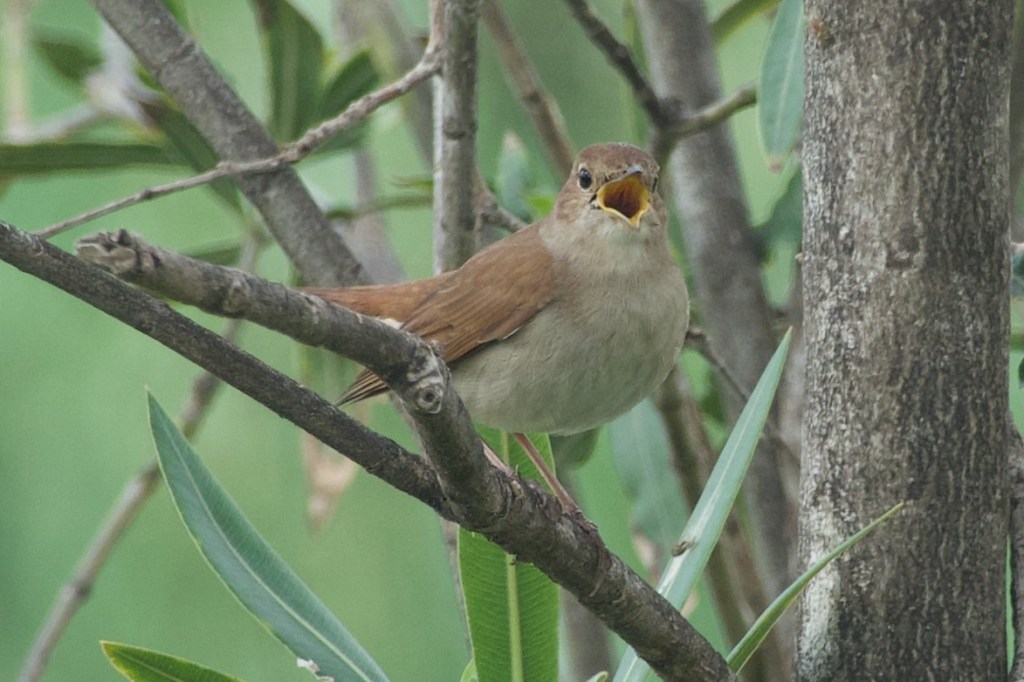
In fact, he hung around for a while, giving me the full works.
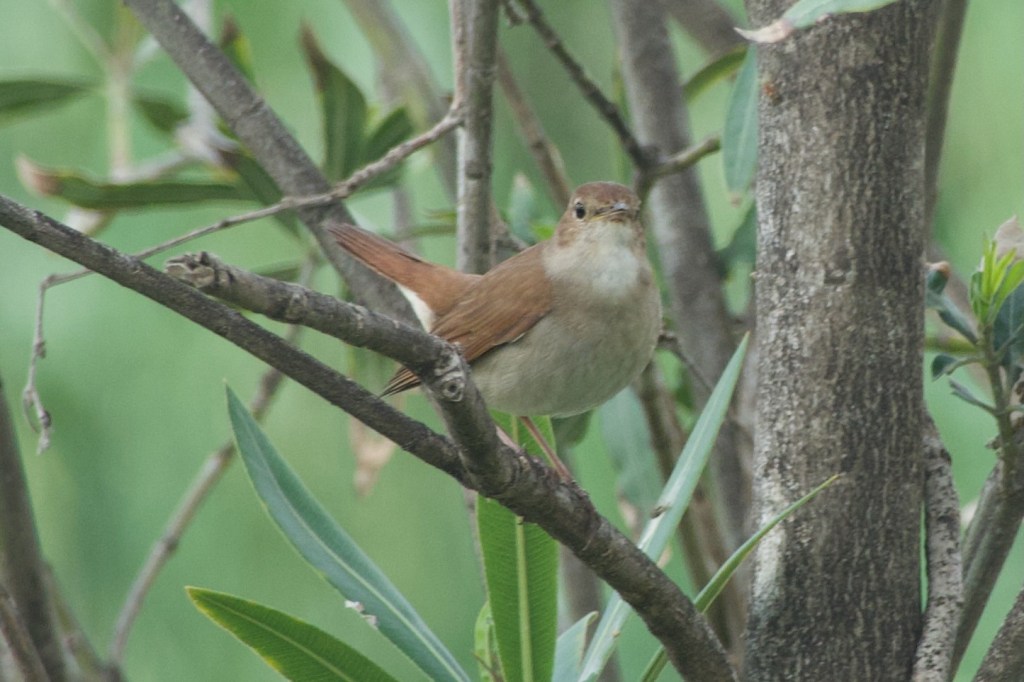
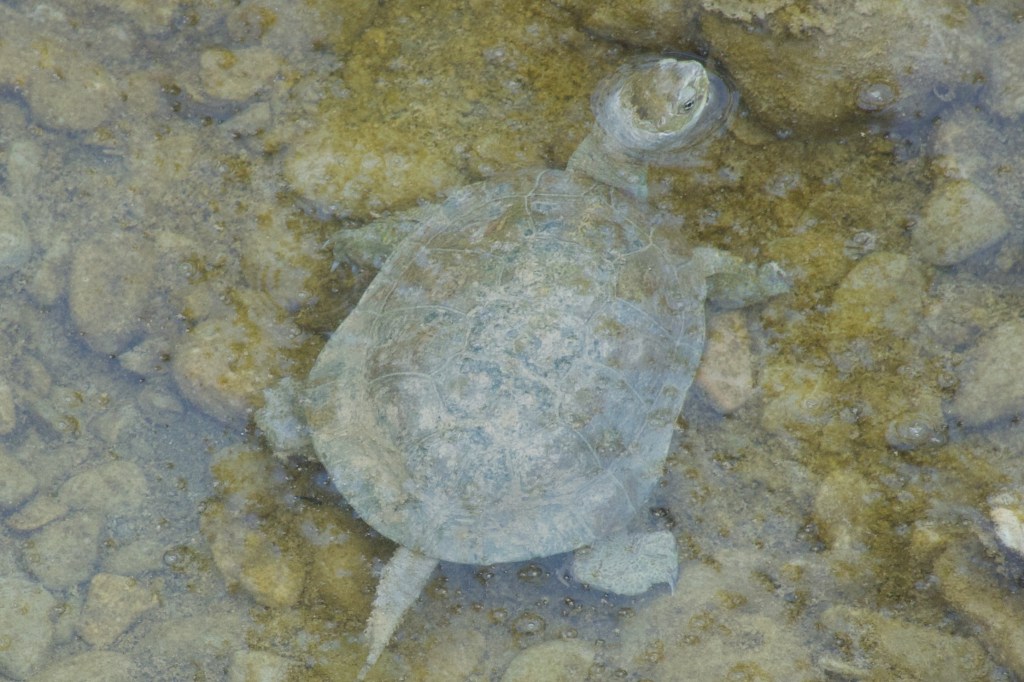
A few rain drops started to fall so I made my way back to the bridge to check on the swallows, or lack of. The was a pond turtle.
And another Nightingale! Well I did say overload.
Back on the bike, I took the beach path from Chilches all the way up to El Palo. Under leaden skies with barely a gull on the wave bashed beaches. A nice change from the busy coast road, but not an option for a road bike with thin tyres. There is more rain in the forecast. Hooray!
 Back Door Birding